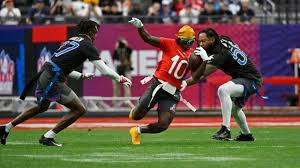

The Sunday crowd’s roar is deafening, the touchdowns electrifying. But beneath the hype, there’s a growing worry that lurks beneath the surface: behind each great play, a secret, growing truth is threatening the game’s future. Artificial turf in the NFL is a rapidly developing issue. Sure, turf is easy to care for, creates steady play, and costs less. But many players and experts alike think it’s detrimental to players. The question is: Is turf worth it?
The plastic blades are mixed with rubber or sand to feel like real grass. It lasts long, defies weather, and doesn’t cost too much to maintain. That’s why many NFL stadiums use it. But players say it’s not like the real thing. Turf grabs too hard, doesn’t let your foot slide, and can make landings hard. That split-second difference can cause awful injuries that end careers.
Studies show that knee, ankle, and Achilles injuries happen more on turf when no one even touches you. Research at the University of California, San Francisco, found that ACL tears and Achilles problems were far more common on fake fields. The NFL Players Association agrees, saying the numbers don’t lie. JC Tretter, who’s in charge of the NFLPA, said,
“We want the safest field possible. And that’s grass.” This directly challenges the league’s ongoing assertion that injury rates across surfaces are statistically insignificant. The issue isn’t just at the professional level. Even at Monte Vista High School, players have started voicing their concerns. Junior Offensive Lineman Noah Levy said, “Every time I make a hard cut, I can feel the difference. On turf, it just sticks; your cleat doesn’t move the same way. I’ve had teammates tweak their knees on plays that looked harmless.” Junior Lineman Daniel Webb added, “It’s scary. I’ve seen guys work so hard just for their work to be taken away by turf. On grass, the ground feels much more solid. On turf, it’s like running on concrete.
So, why not go back to real grass? A lot comes down to money. Grass fields are expensive and harder to keep up, especially up north, where it’s cold and there’s not much sun. Turf can handle concerts, practices, and games every week without getting muddy. New stadiums, like those in Las Vegas and Arizona, use cool systems where the whole grass field rolls outside to get sunlight to prevent damage. However, those systems cost millions of dollars, and most owners don’t want to spend that kind of cash on a field. But you can’t put a price on a person’s health.
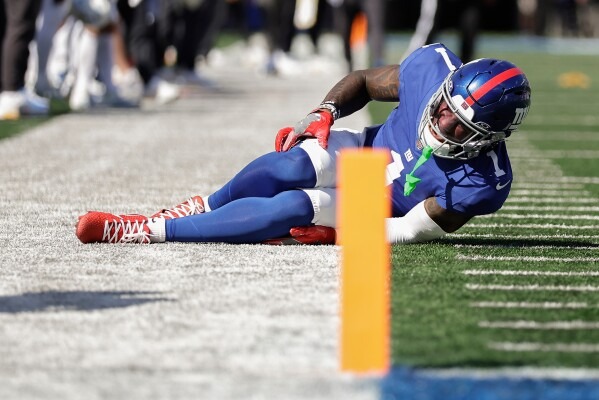
Injuries are more than numbers; they’re real problems for people and can turn a player’s career upside down. In 2023, Aaron Rodgers got hurt after only four plays on a turf field in New York. Most recently, star wide receiver Malik Nabers tore his ACL in New York on the same turf field. This field has earned the nickname “The Graveyard” among the NFL’s players. These horrific injuries have strengthened the argument.
The internet has exploded with fans, players, and coaches wanting change. Many people think we should use hybrid fields, some real grass, and some fake, to be safe and strong. Others say we need new cleats or tougher safety rules for turf. Whatever the answer, the NFL is feeling the heat. Players, fans, and doctors want them to take action before more careers are cut short. Really, the turf issue is what the NFL stands for.
Choosing between turf and grass reveals what’s more important: the owners’ financial gain. Turf might be cheaper, but it also means shorter careers for the league’s biggest stars who change the game. It might be hard to fix, but one thing is clear. Players give it their all. The least the NFL could do is make sure they’re playing on solid ground.